64
13/14
c)
Productionof cuttings
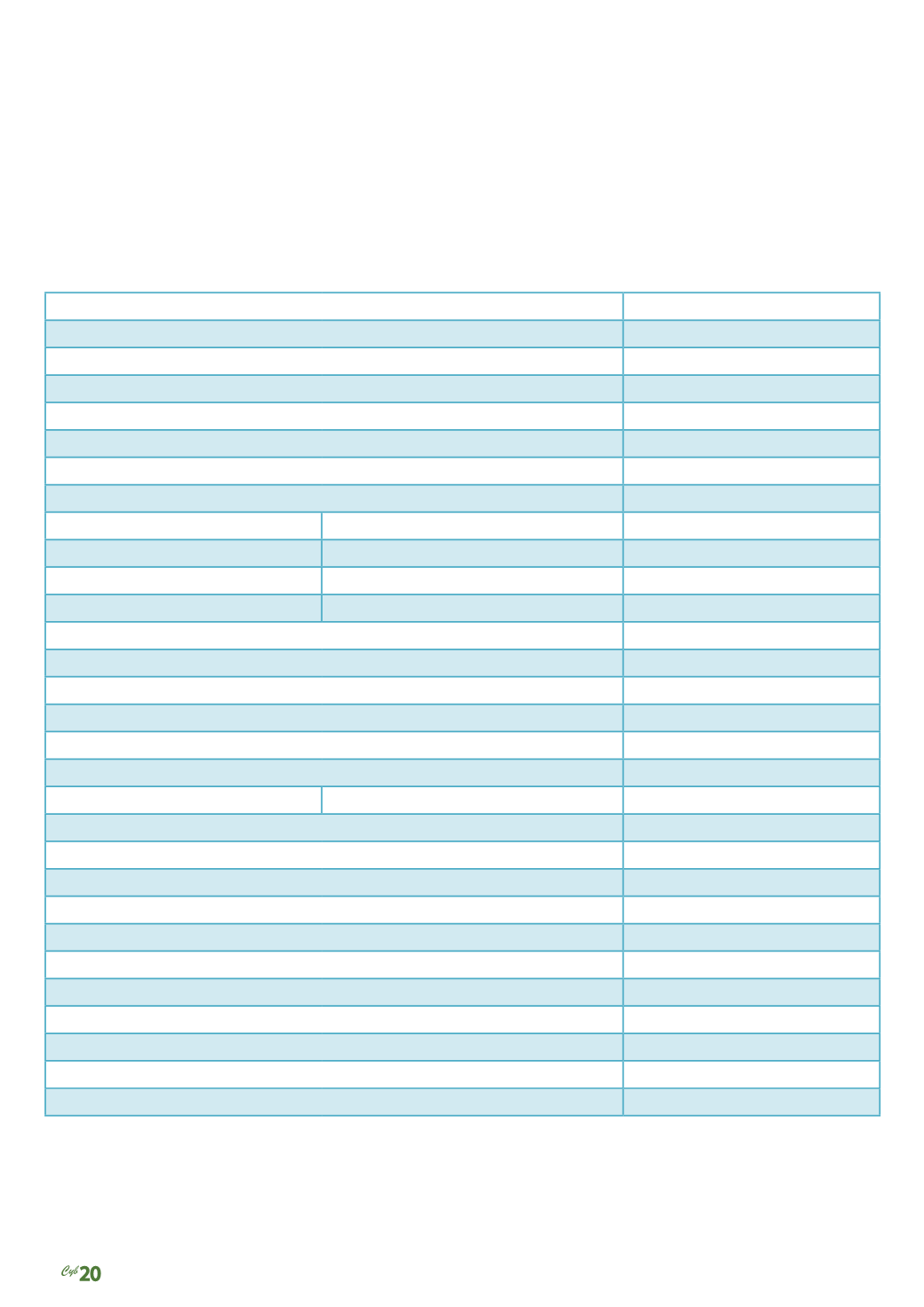
Table 7 presents the Cost Benefit Analysis for producing coffee plantingmaterials from cuttings, the unit cost of producing a
cutting is UGX 720which is far higher than producing an elitematerial at all levels of small, medium and large nurseries. This
is attributed to the high investment costs nursery operation and highmortality rate for cuttings compared to an elite nursery
material. Although the initial investment is high for a cuttings nursery and the technology has not been properly adopted, it
remains profitable with all the seedlings currently bought by the farmers and private coffee buying companies. Returns to
investment is relatively low (0.31) however, thiscouldbe improvedby reducing themortality ratesand increasing theproduction
capacity. In termsof efficiency, nurseryoperationsproducingelitematerialswere found tobemoreefficient compared to those
producing cuttings.
Table 7:Cost benefit analysis for40,000Clonal coffee cuttings
Item
Total cost (UGX)
Land rent
200,000
Amortized cost of nursery shade
2,000,000
Cost of cage construction and shademaintenance
500,000
Depreciation of tools and equipment (33% of cost price)
500,000
Purchase of cuttings (50,000) *
5,000,000
Polypots (400Kg of size 5X8 inches)
4,000,000
Rolls of translucent polythene sheets, Gauge 1000 (7)
2,100,000
Lake sand (10 Tons)
500,000
Pottingmedia
Sawdust (5Tons)
250,000
Forest soil (5 Tons)
1,050,000
Rooting hormone cost
5Kg
100,0000
Water
1,400,000
Pesticides
1,500,000
Foliar fertilizers
1,500,000
Personal protectivewear
200,000
Labour and security
4,000,000
Management costs
3,000,000
Transport for seedlings
(4 trips)
1,000,000
Total cost
28,800,000
Cost of production per seedling
720
Revenue
Number of cuttings established
50,000
Lessmortality (20%)
40,000
Price per cutting
1,000
Total Revenue
40,000,000
GrossMargin
11,200,000
LessWith-holding tax (6%)
2,400,000
Net Revenue
8,800,000
Returns to investment
0.31
Source: Surveydata


